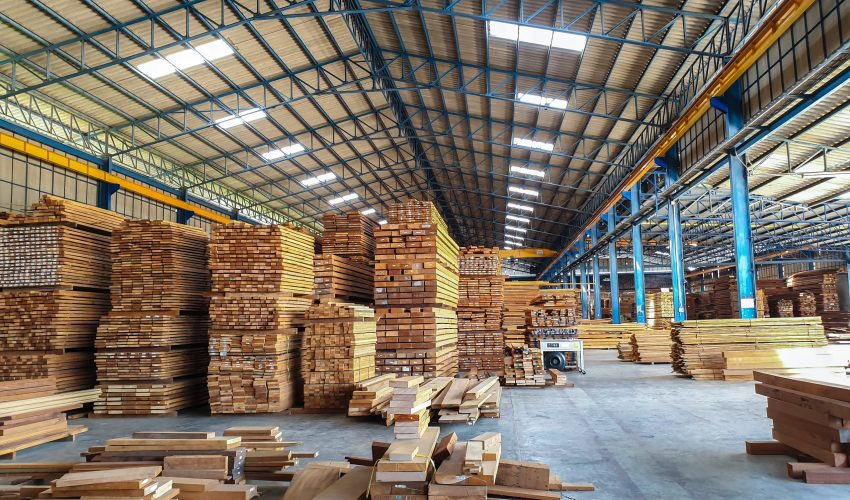
Anyone who buys truckloads of lumber has faced the same decision at some point. A load becomes available at a price that makes sense. You don’t have an immediate order for it. The warehouse isn’t empty. But you’ve been in business long enough to know you’ll eventually move the material. The question becomes whether to buy it now or wait and hope a similar opportunity comes along later.
That’s a conversation we have with our customers all the time.
Why Smart Buyers Purchase Ahead of Demand
Many of the buyers we work with aren’t purchasing lumber for next week’s job. They’re purchasing inventory they know they’ll need over the next several months. A farm and ranch retailer may know fencing products sell every spring. A hardware retailer may consistently move certain dimensions and grades throughout the year. A shed or outbuilding manufacturer may already have a good idea of what production will look like six months from now.
When the right truckload becomes available, those buyers often look beyond today’s demand and focus on the opportunity in front of them.
How the B-Grade Lumber Market Works
That’s especially true in the B-Grade market. Unlike products that can be reordered from a catalog, many truckloads of downfall lumber become available because of a canceled order, excess production, specification changes or inventory that no longer fits a mill’s primary sales channel. Once that truckload is sold, there may not be another one exactly like it waiting around the corner.
Buyers who work in this market understand that reality. They’re not necessarily trying to predict where lumber prices are headed. They’re looking at whether the material fits their business, whether they know they can sell it, and whether the numbers work.
The Freight Advantage of Full Truckload Purchasing
Freight is often part of that equation. A full truckload can provide a lower landed cost than several smaller purchases spread over time. For companies that have the space and the ability to turn inventory, buying ahead can help create flexibility when supply tightens or pricing moves higher.
We’ve also seen buyers use this approach to maintain a more consistent inventory position. If a retailer knows they’ll be selling fencing products throughout the season, or a manufacturer knows they’ll be consuming lumber month after month, having inventory on the ground can make planning a lot easier. Instead of scrambling to find material when demand increases, they already have product available and ready to move.
Recognizing Value in Every Truckload
At the end of the day, successful lumber buyers tend to focus on value. They know every truckload is different. They understand which products fit their business and which ones don’t. Most importantly, they recognize a good opportunity when they see one.
That’s where our team of traders and shipping experts come in. We work with suppliers across North America to source truckload quantities of B-Grade lumber and connect those loads with buyers who know how to put them to work. Whether you’re supplying a retail yard, manufacturing fencing products, building sheds and outbuildings, or looking for inventory that helps improve margins, we can help you identify opportunities that fit your business.
If you’re planning future lumber purchases and want to learn about available truckload inventory, request a quote and we’ll connect you straight away to our team.