Surplus Materials
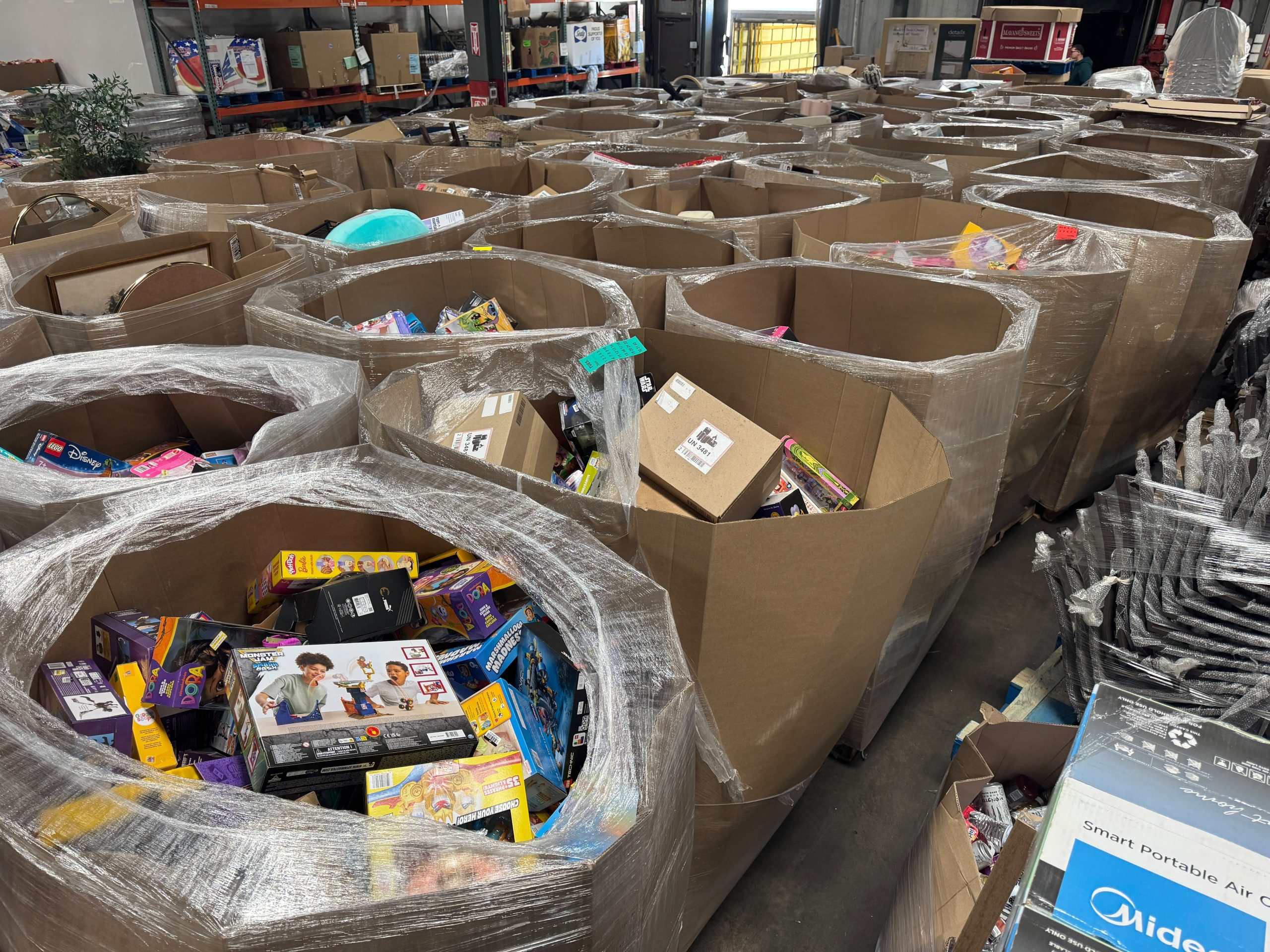
Every year, building material manufacturers across North America are left with inventory that no longer fits their normal sales channels. Orders get canceled. Product lines change. Packaging gets damaged. Materials are downgraded because of cosmetic defects. Sometimes inventory simply builds up faster than it can be sold. Whatever the reason, companies are often faced with the same question: how do we move this inventory?
A truckload of roofing shingles doesn’t lose its value because a color gets dropped, a distributor changes plans, or inventory needs shift. Yet situations like these can leave usable material without a clear market and at risk of ending up in a landfill.
That’s where we come in.
We help connect that inventory with buyers who can use it. By finding productive markets for excess, secondary and surplus building materials, we keep usable products moving through the supply chain and create value from inventory that might otherwise go to waste.
For more than 20 years, we’ve worked with manufacturers—some on regular, contracted supply—distributors, retailers and truckload buyers to help move B-Grade, surplus, and discontinued building materials into new markets. We don’t see these products as waste. We see inventory that still has value when matched with the right buyer and project.
Roofing is one of the clearest examples. Between 12 and 13 million tons of shingles are discarded every year in the United States, and roughly 10% of that volume comes from manufacturing waste. Many of those shingles are perfectly functional but can’t be sold through traditional channels because of color variations, packaging issues or other concerns that don’t affect performance. Rather than seeing those products discarded, we help connect suppliers with businesses that can put them to work.
12–13 million tons of shingles are discarded annually in the United States.
The same thing happens throughout the building products supply chain. Lumber may be downgraded because of appearance issues. Panels may come from canceled orders. Flooring products may be discontinued after a manufacturer updates a product line. Siding inventories may need to be cleared to make room for new offerings. These situations create inventory challenges for suppliers, but they also create opportunities for buyers who know how to use those products within their businesses.
Over the years, we’ve moved thousands of truckloads of materials into productive use across North America. Those products end up with pallet manufacturers, packaging companies, discount building supply retailers, manufacturers, distributors and other truckload buyers. Some become pallets that continue circulating through supply chains for years. Some become packaging and shipping products. Others become inventory that helps retailers serve customers looking for value. The material keeps working instead of sitting in a landfill.
What makes this possible is a combination of relationships, market knowledge and problem solving. Every day our traders work with buyers and suppliers looking for opportunities. In many cases, one company’s inventory problem becomes another company’s windfall. Connecting those dots through customer service and a good head for technology has been the foundation of our business since the beginning.
Keeping building materials in play benefits everyone involved. Suppliers recover value from inventory that would otherwise represent a cost. Buyers gain access to products that help them control expenses and improve margins. Most importantly, usable materials continue serving a purpose long after they have stopped fitting their original sales channel.
To learn more about our longstanding impact and how we help suppliers and buyers find value in B-Grade, surplus and discontinued inventory, visit our Impact Page.