Contractors have been navigating a lot of uncertainty lately. In commercial and residential construction, permitting timelines are slowing, labor remains tight, and material costs continue to climb—all while clients still want quality work at competitive prices. That has forced builders and roofers to think strategically about where they spend their material dollars, and how they manage inventory to stay flexible without eroding margins.
One part of that conversation that doesn’t get enough attention is how roofing is sourced, organized and staged, especially for applications where B-Grade roofing is the right choice. When you’re working on agricultural and utility builds, covered walkways, cold storage shelters, pole barns, equipment covers and other noncode, non-habitable structures, staging B-Grade roofing can give you a real edge.
When B-Grade Roofing Makes Sense
B-Grade roofing typically includes products that don’t meet first-quality visual standards. They might have cosmetic blemishes, packaging irregularities or slight color variation, but they still perform their core function of shedding water and protecting the structure.
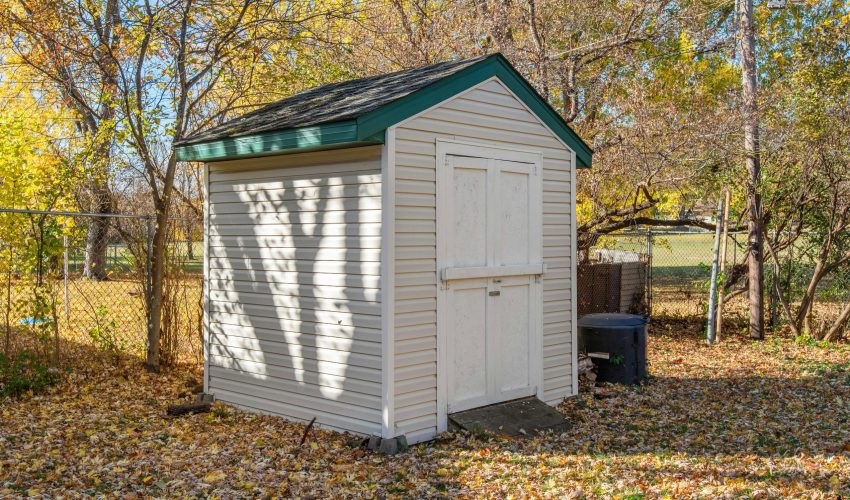
Because of code limitations, B-Grade roofing isn’t appropriate for primary residences or other code-regulated buildings. That said, there are plenty of jobs where performance matters more than perfect appearance. Barns, sheds and agricultural buildings are a few examples. These are structures built to protect equipment, hay and livestock from the elements, but they’re not subject to the same aesthetic expectations or permitting constraints as commercial or residential roofs.
Cold storage facilities, canopies over work zones, utility sheds, field offices and backyard projects are other examples where B-Grade roofing provides reliable weather protection without the premium cost of first-quality bundles.
Contractors involved in these segments have realized that staging roofing inventory that’s organized and priced ahead of demand helps them remain competitive as overall construction costs rise.
Roofing as Inventory Strategy, Not Emergency Purchase
According to the U.S. Bureau of Labor Statistics, producer prices for asphalt roofing and related materials are still running higher than they were a year ago, and industry groups like the Associated Builders and Contractors continue to report rising construction input costs overall. In other words, materials are not getting cheaper, and most contractors are still feeling pressure on their budgets. That means contractors who wait to order until a job is under contract can end up paying a premium, or worse, waiting on materials at the same time competitors aren’t.
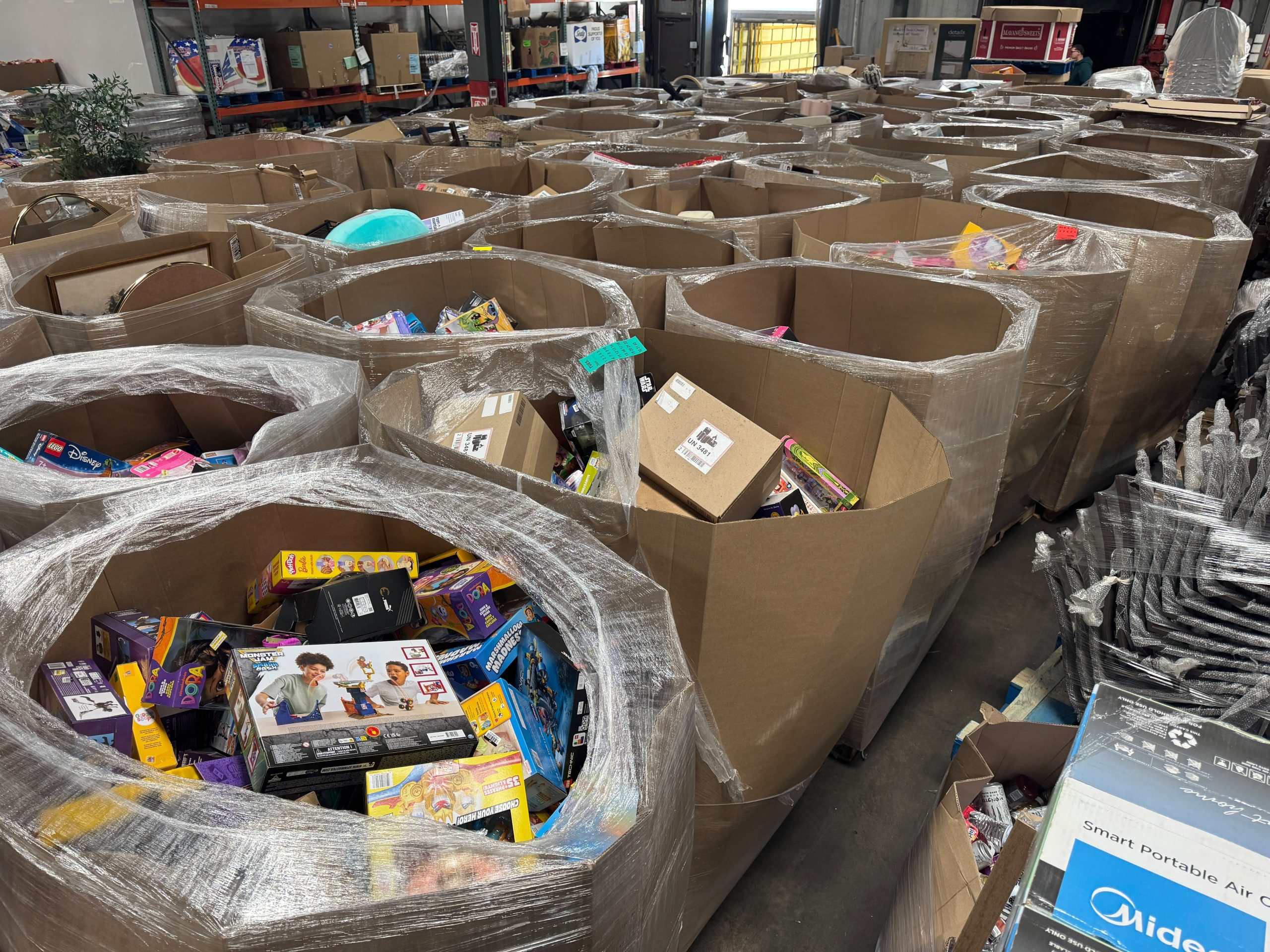
Contractors who treat roofing like inventory instead of a last-minute procurement make better bids and stay ahead of schedule. Buying semi-truckload quantities reduces per-square cost, minimizes freight charges and gives them certainty around availability.
Instead of calling for a few bundles per job, we provide deliveries that match your staging plan. That helps you quote jobs with confidence, reduce delivery surprises and send out crews without pausing.
Making Roofing Work for You
If you are sourcing B-Grade roofing in semi-truckload quantities and want a supply partner who understands how roofers actually work, request a quote from us today. We’ll help you line up inventory, organize it to fit your workflow and get it delivered so your business stays ahead.