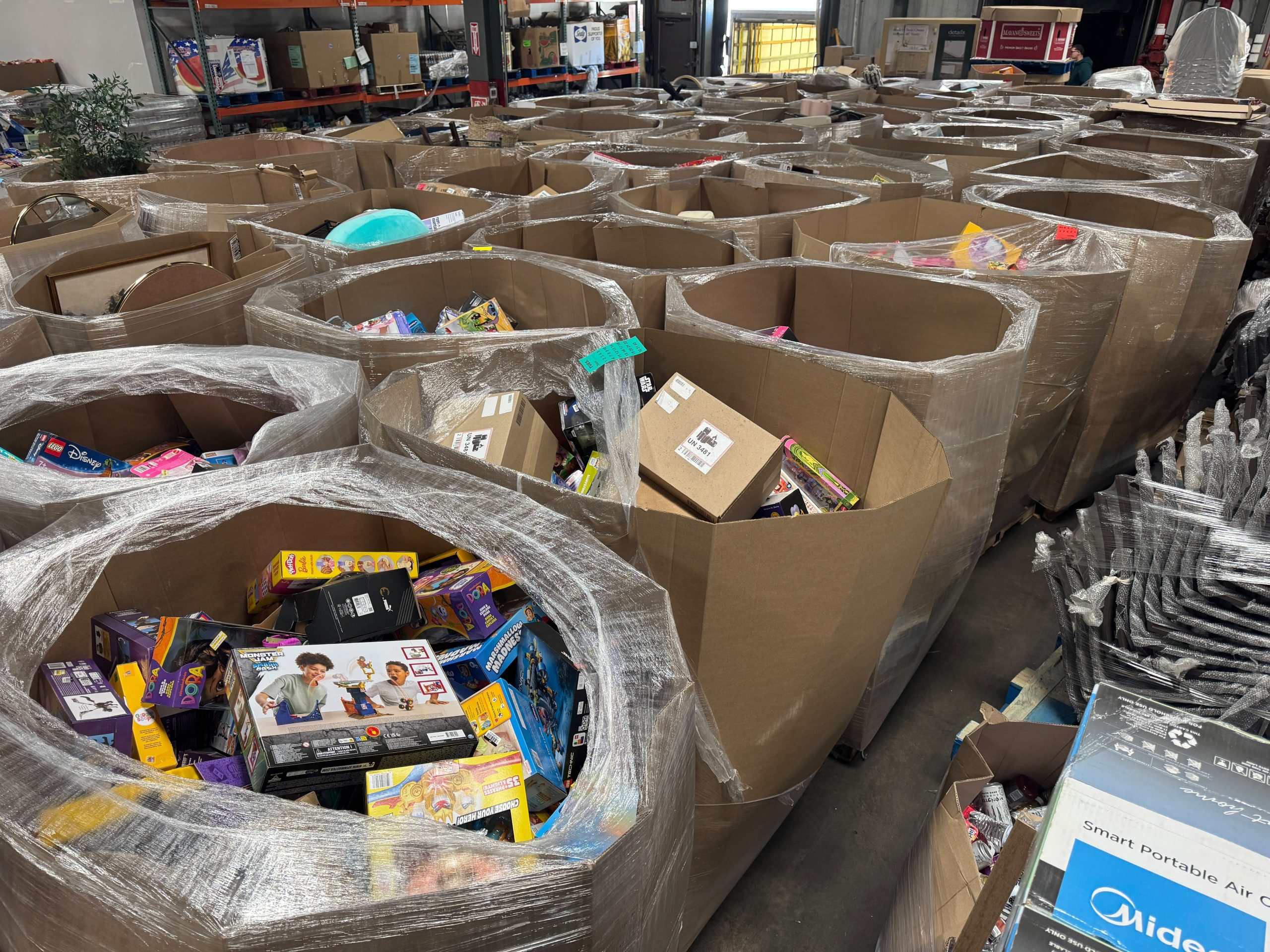
This time of year, customers are shopping with a sharp eye for value. Contractors are closing out jobs, homeowners are taking on small indoor projects and local retailers are looking for inventory that moves fast without cutting too deep into margins. That’s where seconds and surplus come in. These are shelf pulls, overstock, liquidation lots and returned items—most in excellent condition—priced to sell and built to bring customers back.
What Seconds and Surplus Are
Seconds and surplus aren’t always damaged or defective products. They’re often first-quality goods pulled from shelves due to packaging changes, seasonal shifts, discontinued styles or returns. Sometimes they include light “scratch and dent” items, but performance is rarely affected. The key difference is price. These are good, usable products that help stores offer everyday savings without losing margin.
Why They Work for Small Retailers
Every store owner knows loyalty doesn’t come from one big sale. It comes from giving their customers a reason to stop by regularly. A well-stocked surplus section creates that habit. Shoppers know the mix changes often and that new deals could arrive any week. That sense of discovery is powerful. It makes customers feel like they’re getting first pick on something valuable, not leftovers that couldn’t sell.
Seconds and surplus lots also build trust. When people realize they can buy quality flooring, cabinetry or home goods at fair prices from your store, they start checking in before they go anywhere else. Over time, that turns casual buyers into regulars.
How to Set Up a Seconds and Surplus Section
You don’t need a warehouse to make this work. Dedicate a clear, consistent area—an endcap, a row or a small outdoor display—and label it simply: “Special Buys” or “Surplus Deals.” Group items by type: flooring with flooring, tools with tools, home goods together. And post clear pricing.
Rotate displays even if inventory hasn’t changed. Moving pallets, swapping signage or adding a “New This Week” tag keeps the section feeling fresh. Contractors and DIYers will start building the habit of checking that area first when they walk in.
If you’ve got steady professional customers, consider a small “contractor’s corner.” It can be as simple as a few pallets of mixed surplus near receiving: an easy place for regulars to see what just arrived.
Timing and Presentation Matter
During the holidays, people are drawn to practical purchases: tools, appliances, flooring and anything that helps them finish indoor projects. Early winter is also when many stores see a lull in foot traffic, so seconds and surplus can keep the floor lively. Promote new arrivals through signage, social media posts or even a quick customer email. Phrases like “New surplus lots arriving weekly” or “Limited truckload. First come, first served” create urgency and excitement without discount gimmicks.
Reliable Supply Year-Round
At Silvaris, we work with suppliers across North America to keep seconds and surplus inventory moving steadily through every season. We ship LTL and truckload quantities throughout the U.S., Canada and Mexico so you can test the category or scale up when it’s working. We know how important reliable stock and fair pricing are for small retailers, and we make sure both stay consistent.
Seconds and surplus lots give your customers something big-box stores can’t: quality products with practical value and prices that go easy on their wallet. More importantly, they give you a simple way to be known as the store that helps people find what they need without spending more than they planned.
If you’d like to see what’s available, visit our Seconds & Surplus page or get in touch with our trading team. We’ll help you choose the right mix for your store and let you know what’s in stock or coming soon.