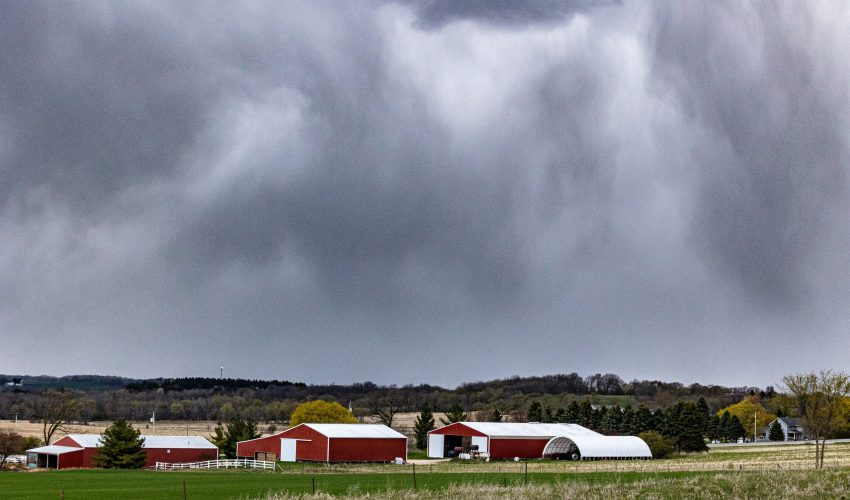
If you’re a discount building supply retailer or shed builder, your customers aren’t building finish-focused projects. Nobody’s planning on living in a utility barn or judging an equipment shed on its curb appeal. They’re building or replacing structures that are expected to hold up to weather, time, seasonal changes and storms—not to impress anybody walking by.
That’s where our siding earns its keep, and it’s exactly the kind of project they’re stocking for every season, especially August and September. The flaws that knock a panel down a grade are cosmetic, a color variance, a small ding or a discontinued style. They’re not structural. On a barn wall or an equipment shed, that distinction barely registers. It only matters when the finish is part of what they’re (unnecessarily) paying for.
What Matters for These Structures
Durability and coverage come first for these kinds of builds. A utility barn needs siding that holds up to weather, sun and years of general wear, not a flawless surface somebody’s going to care about up close. Cost comes right after that, since these projects can be one piece of a larger build, and the budget matters more than a perfect finish grade.
Matching Material to the Job
We highlight five siding materials on our website: OSB, Vinyl, Wood, Fiber Cement and Composite, and the right one usually comes down to what the customer/project needs. OSB and fiber cement hold up well for general barns and equipment sheds. Wood siding, particularly Shop grade, works for customers who want a natural look without paying for a flawless one.
Vinyl fits projects where a specific style or color matters less than closing out the job with material that’s readily available. Composite splits the difference; it’s more consistent than wood, without the exact look vinyl offers. If your customer needs something outside this list, just ask. Our range often runs beyond what’s featured on our website.
We also broke down how each material actually grades down: primer defects, delamination, cupping and the rest in a recent blog post if you want the full picture before you order.
Supply You Can Actually Count On
None of this matters if the material isn’t there when your customers need it. We work through an exclusive downfall contract with major siding manufacturers, which means a consistent flow of B-Grade siding, not a one-time closeout you’re hoping repeats. And when you place an order, our network gets to work right away, so you’re not competing with anyone else for the same material in someone else’s marketplace.
Educating Your Customers
Most people assume “discounted” means “worse.” As the retailer or builder, you’re the one who gets that question first. It’s an easy case to make once you know which grade fits which job. A cosmetic flaw that won’t show up on a barn wall isn’t the same thing as a compromise, and customers tend to appreciate hearing that directly instead of guessing.
Questions? Talk to a Trader
If you want more detail on what actually caused a specific markdown before committing to an order, that’s a phone call, not a guessing game. Our highly knowledgeable traders can walk through exactly what’s behind the grade on any given load, so there are no surprises once it shows up.
See what we carry.
And if you want a peak under the hood to see what we send directly to inboxes four times a week, sign up for Daily Deals.