Why panels are used in shipping
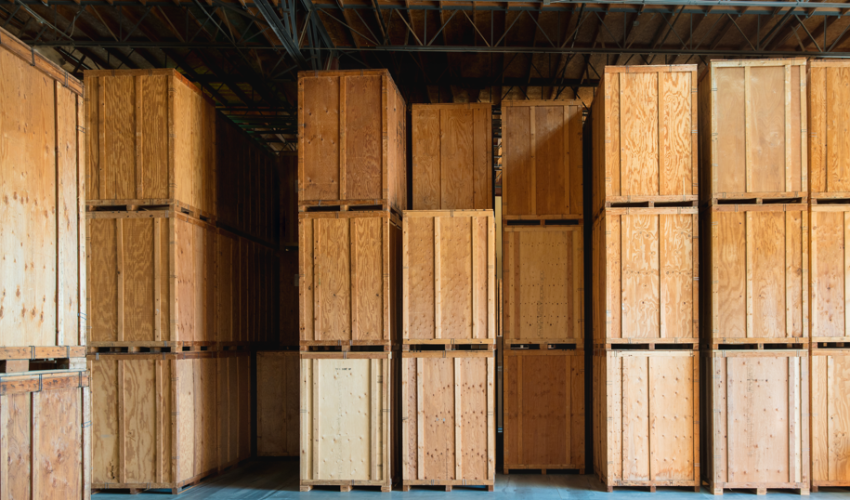
When a load needs more protection than a standard pallet can provide, OSB and plywood panels are often part of the solution because they add structure, stability and durability to the entire shipment. Across manufacturing, distribution and logistics, these panels are used to build crates, reinforce pallet systems, and create protective layers that help goods move safely from origin to destination. The role they play is straightforward but important. They keep loads intact through handling, stacking and transport, especially when shipments are heavy, irregular or sensitive to damage.
Compared to lighter packaging materials like corrugated boxes, OSB and plywood provide a rigid, load-bearing surface that holds up under pressure and repeated movement. That added strength is why they’re commonly used for equipment, components and other freight where consistency matters.
How panels protect the load
Shipping environments are rarely controlled from start to finish, and even well-prepared loads can shift or break down if they’re not properly supported. Materials are moved multiple times, transferred between trucks or facilities, stacked in transit and sometimes exposed to the elements. Over time, those small stresses add up, which is why structural support matters just as much as packaging itself.
OSB and plywood help solve for that by adding stiffness and containment to the load. When used as crate walls or pallet tops, they distribute weight more evenly, reduce movement and create a barrier that protects against impact and handling damage. They also make it possible to secure items that can’t be shipped loose or stacked conventionally, which is especially important for irregular or high-value shipments. The result is a more stable load and fewer issues in transit.
Where lower-grade material fits
Packaging is one of the clearest use cases for B-grade panels because appearance simply isn’t a factor. Once the load is built, the panel is doing structural work, not visual work. Material with surface variation or cosmetic defects can still perform well in these applications, which makes it a practical choice for buyers who are focused on function.
This creates a natural opportunity for both buyers and suppliers. Inventory that may not fit primary building channels still has clear value in packaging and transport, particularly for pallet manufacturers, equipment shippers and distributors who need durable material at a reasonable cost. Instead of paying for higher-grade panels that won’t be seen, buyers can focus on fit-for-purpose material that meets performance needs.
Cut-to-size matters in real-world applications
One of the things we hear most often from buyers is that standard sheet sizes don’t always line up with how panels are actually used. Crates, pallet decks and protective layers are often built to specific dimensions, and cutting material down in-house takes time and labor that many operations don’t have.
That’s where custom cutting becomes useful. Through Silvaris Custom Services, we can provide panels cut to size so they’re ready to use when they arrive. Whether you’re building out crate sides, pallet tops or protective inserts, having material sized to your application helps streamline production and reduce waste. It also lets you work more efficiently when you’re dealing with mixed loads or varied specifications.
What to look for when sourcing panels
When panels are used in shipping, a few practical considerations tend to matter more than anything else. Strength and stiffness come first, since the material needs to hold up under stacking and load pressure without breaking down. Consistent thickness helps maintain stability across the pallet or crate, especially when loads are moving through multiple handling points.
It’s also worth thinking about how the panels will be used in practice. Some operations need full sheets, while others benefit from cut-to-size material that fits a specific configuration. Exposure is another factor, as panels may encounter moisture during transit, so understanding how they’ll perform over the shipping cycle can help avoid issues.
Where Silvaris fits in
We see consistent demand for panels used in packaging and transport, particularly from buyers who need volume, flexibility and a reliable supply. At the same time, we work with suppliers who have inventory that doesn’t fit traditional building channels but performs well in these applications.
If you’re sourcing OSB or plywood for crates, pallets, or protective packaging—or if you’re sitting on inventory that could be used this way—it’s worth a conversation. Our traders can help you find the right mix, connect with the right buyers, and keep that material moving. Reach out today and learn more about how we can help.