Pallet and packaging plants run on a simple formula: strong materials in, dependable products out. But when lumber prices climb or supply is tight, keeping that formula balanced isn’t easy. That’s where B-Grade lumber comes in. It gives plants a reliable, cost-effective option that keeps lines running without sacrificing performance.
Strong enough where it counts
The job of a pallet or crate is to move product safely through warehouses, trucks and shipping yards. Whether it’s stacked cases of bottled beverages, engine components for assembly lines or appliances headed to retailers, the wood beneath or around those loads takes the hits. Forklifts dig in, banding machines pull tight and every bounce in a trailer stresses the boards.
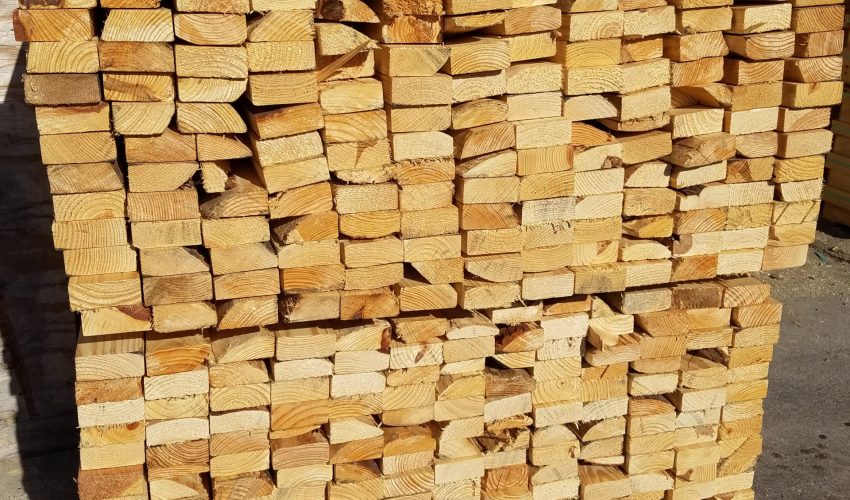
B-Grade lumber is built for that reality. While it may have cosmetic flaws—knots, wane or surface marks—it still delivers the structural integrity packaging plants need. Deckboards and side panels don’t have to look pretty. They have to hold weight, absorb impact and keep cargo intact. By matching B-Grade boards to non-show surfaces and internal bracing, plants save money without increasing risk.
Built for volume…and budgets
Industrial packagers know the math. When you’re building tens of thousands of pallets a month, small changes in board cost add up to huge differences on the balance sheet. Using B-Grade across secondary members, blocking and bracing allows plants to stretch every dollar of lumber without slowing production or compromising quality.
Take a regional food manufacturer shipping thousands of pallet loads each week. Their products don’t require high-finish lumber, just strength and consistency. By sourcing B-Grade for bulk deckboards, they keep their packaging line supplied at a fraction of the cost of higher-grade material. The result is steady output, less waste and healthier margins.
Or consider a packaging plant that builds heavy-duty crates for machinery. The structural stringers and outer frame might demand a premium cut but the interior blocking and cross members can be built with B-Grade. Those boards still carry load and stabilize equipment, yet come in at a price point that frees up budget for hardware, cushioning or protective finishes.
How we’re different
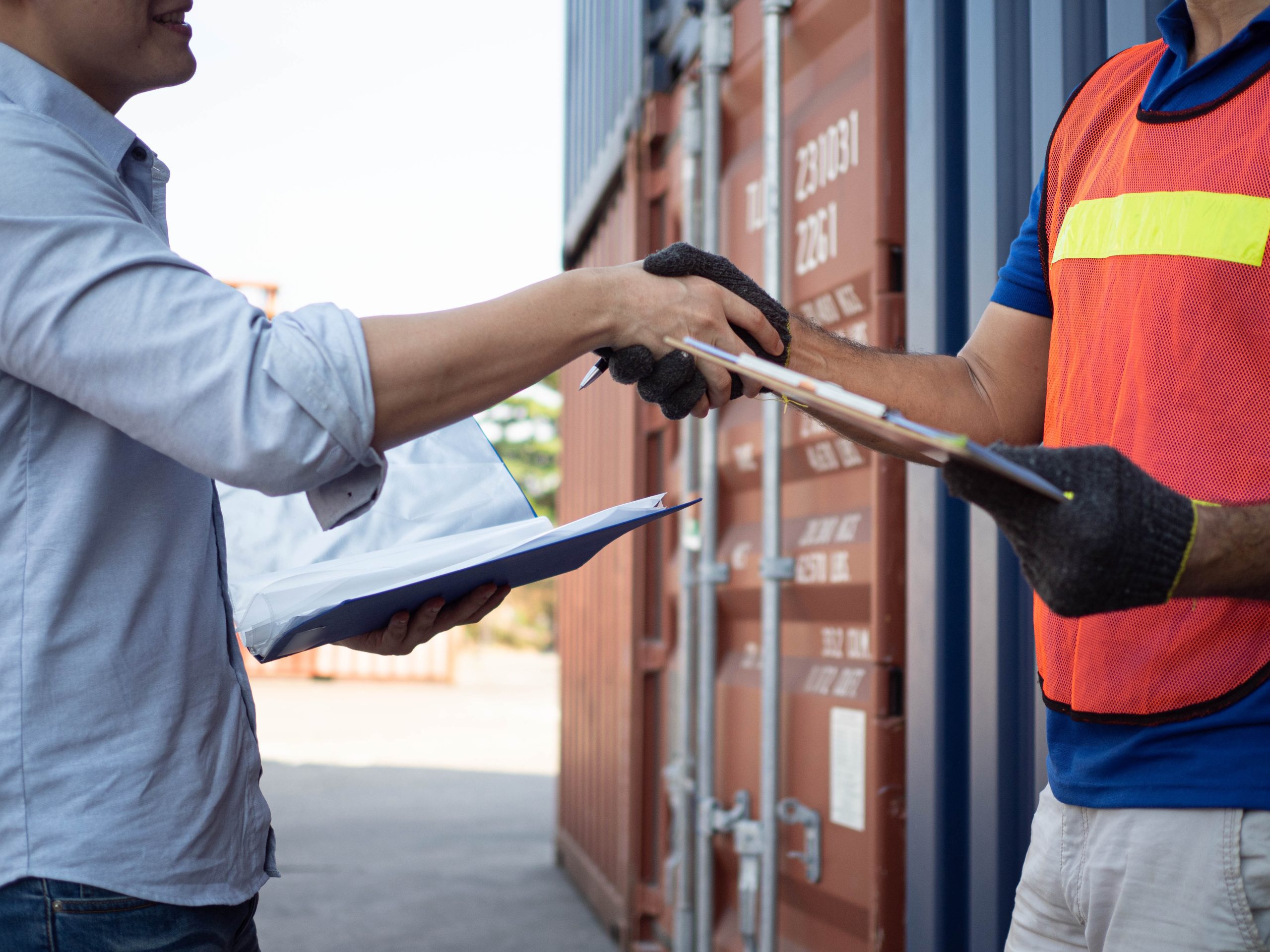
Plenty of suppliers can sell you wood. The challenge for pallet and packaging operations is consistency. Production lines don’t stop because a truckload of lumber is late or the grade mix doesn’t match spec. We’ve built our reputation on keeping industrial buyers supplied—whether that means coordinating rail cars across borders, breaking down truckloads for regional yards or cutting dimensions to your exact cut list.
Our scale means you’re not left piecing together inventory from multiple sources. We move high volumes of B-Grade lumber across North America (244 million square feet at last count) so customers tap into a steady pipeline rather than chasing spot buys. And because we specialize in surplus and industrial stock we can pass on savings that traditional distributors can’t match.
The bottom line
Pallets and crates don’t need furniture-grade material. They need wood that works—lumber that holds up under forklifts, straps and transport. B-Grade is that wood. It keeps costs down, lines supplied and customers confident their shipments will arrive intact.
For pallet makers and industrial packagers the choice is straightforward: put premium where it matters, B-Grade everywhere else, and let us handle the supply. That’s how you stay competitive in a business where every board counts.
Ready to cut costs without cutting corners?
Reach out today for a quote or to talk through the best options for your operation. We have traders that specialize in lumber ready to answer your questions.