Nonprofits and community builders are often working with a clear mission and a fixed budget. Whether it’s building affordable housing, repairing existing homes, or developing community spaces, every material decision has to balance cost with function. The goal isn’t to cut corners. It’s to make the most of available resources so projects can move forward and serve more people.
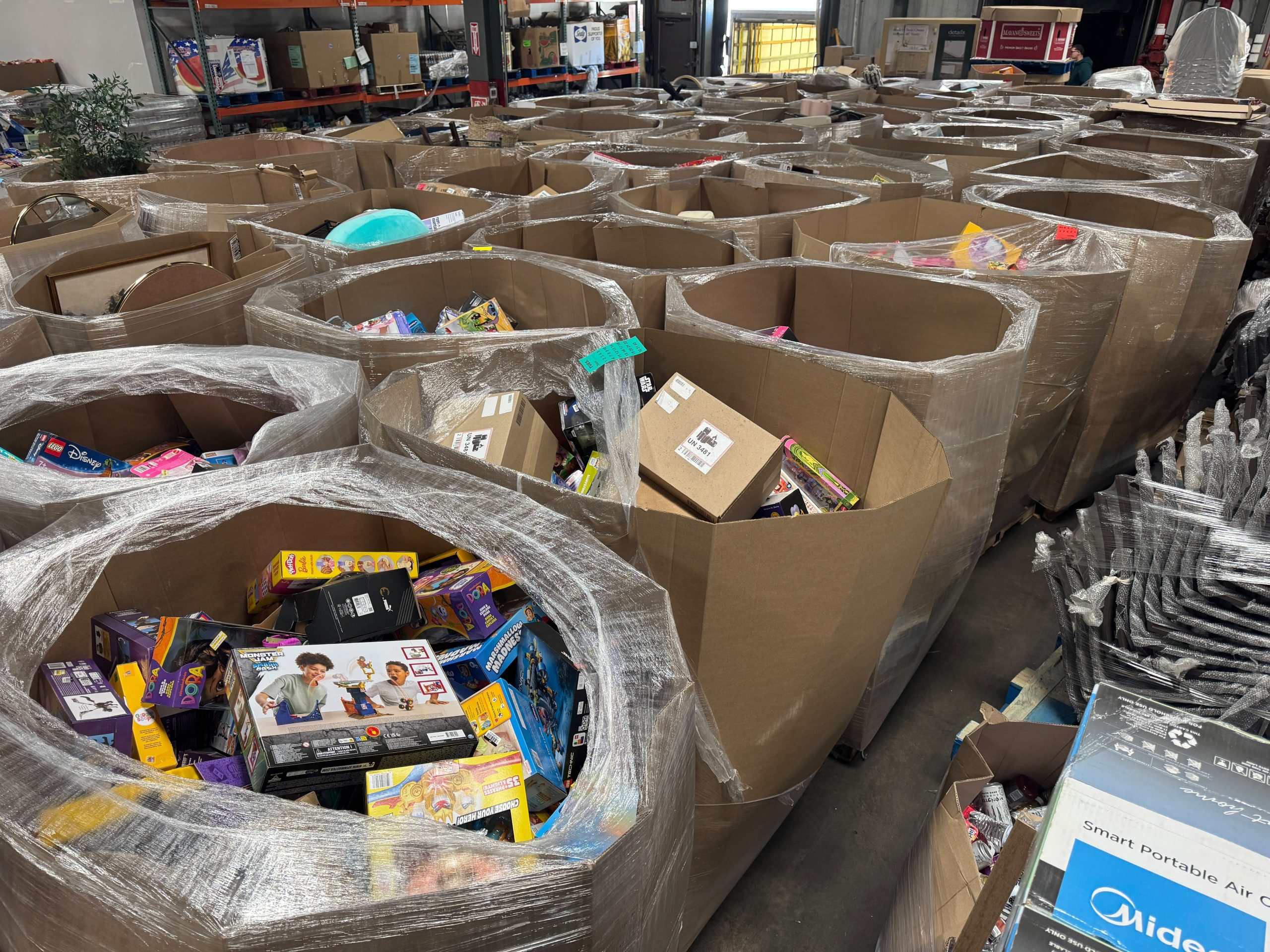
That’s where seconds and surplus products and some building materials come into the conversation. These are products that may fall outside of primary retail channels but still have real, usable value when matched to the right application.
Where these materials are used
Across nonprofit and community projects, there are many places where materials don’t need to meet the highest visual or finish standards to do their job well. Repair programs, utility spaces, secondary structures and certain interior applications can often accommodate variation in color, finish or grade without affecting how the space functions.
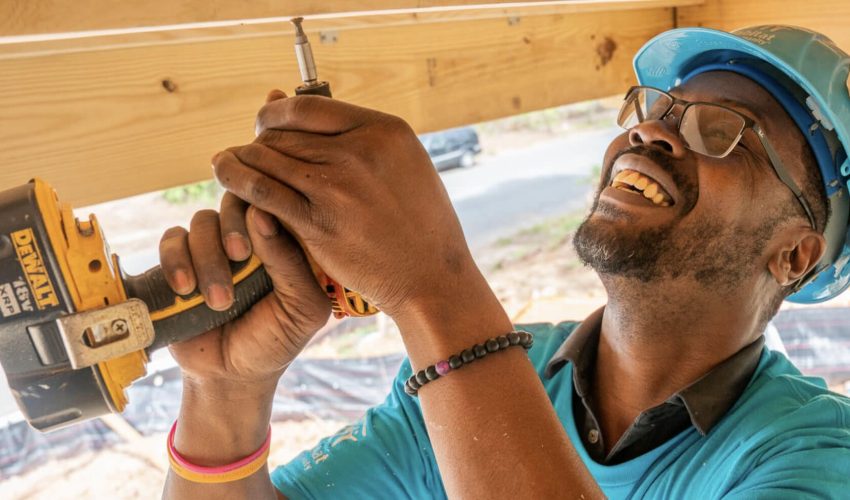
Organizations like Habitat for Humanity have long taken a practical approach to sourcing, focusing on materials that are available, functional and appropriate for the project rather than trying to match a single specification across every build. That mindset allows them to complete more projects and extend their impact.
At the same time, these decisions are intentional. Materials still need to perform, install properly and meet the needs of the people using the space.
How seconds and surplus support the work
Seconds, closeouts and surplus inventory create flexibility. Instead of relying on a specific product line or waiting for a perfect match, organizations can work with available materials that meet the requirements of the project. Flooring, appliances and other interior finishes often come from closeout runs, while other categories may include materials with variation that still perform well in the right setting.
This approach allows teams to move forward without delay and make better use of limited funding. When material is sourced thoughtfully, it can support the same functional outcomes while freeing up budget for other parts of the project.
It also opens up opportunities to take on more work. When costs are managed at the material level, organizations are often able to expand the number of homes repaired, units built or spaces improved.
Matching material to application
The key is knowing where different materials fit. Not every product is right for every use, and that’s where experience matters. Some applications require tighter consistency, while others allow for more flexibility. Understanding that distinction helps ensure the material is used appropriately and performs as expected over time.
This is especially important when working with surplus or B-grade inventory. The material itself isn’t the issue. It’s making sure it’s matched to the right part of the project.
A practical approach to sourcing
For nonprofits and community groups, sourcing often comes down to what’s available and how it can be used effectively. That may mean adjusting plans slightly, working with mixed materials or building around what can be secured at the right time.
It’s not always a perfect match, but it’s a practical one. And in many cases, that’s what allows projects to move forward instead of getting delayed or scaled back.
Find what works for your next project
If you’re working on a community build, repair program or nonprofit project and need materials that fit your budget and your timeline, it’s worth starting with what’s available. We can help you identify seconds and surplus inventory that aligns with your needs and point you toward options that make sense for your application.
Reach out today for more information and connect with one of our traders to see what materials are available right now. Also, sign up for our Daily Deals emails so you get a heads-up on what’s available each week.