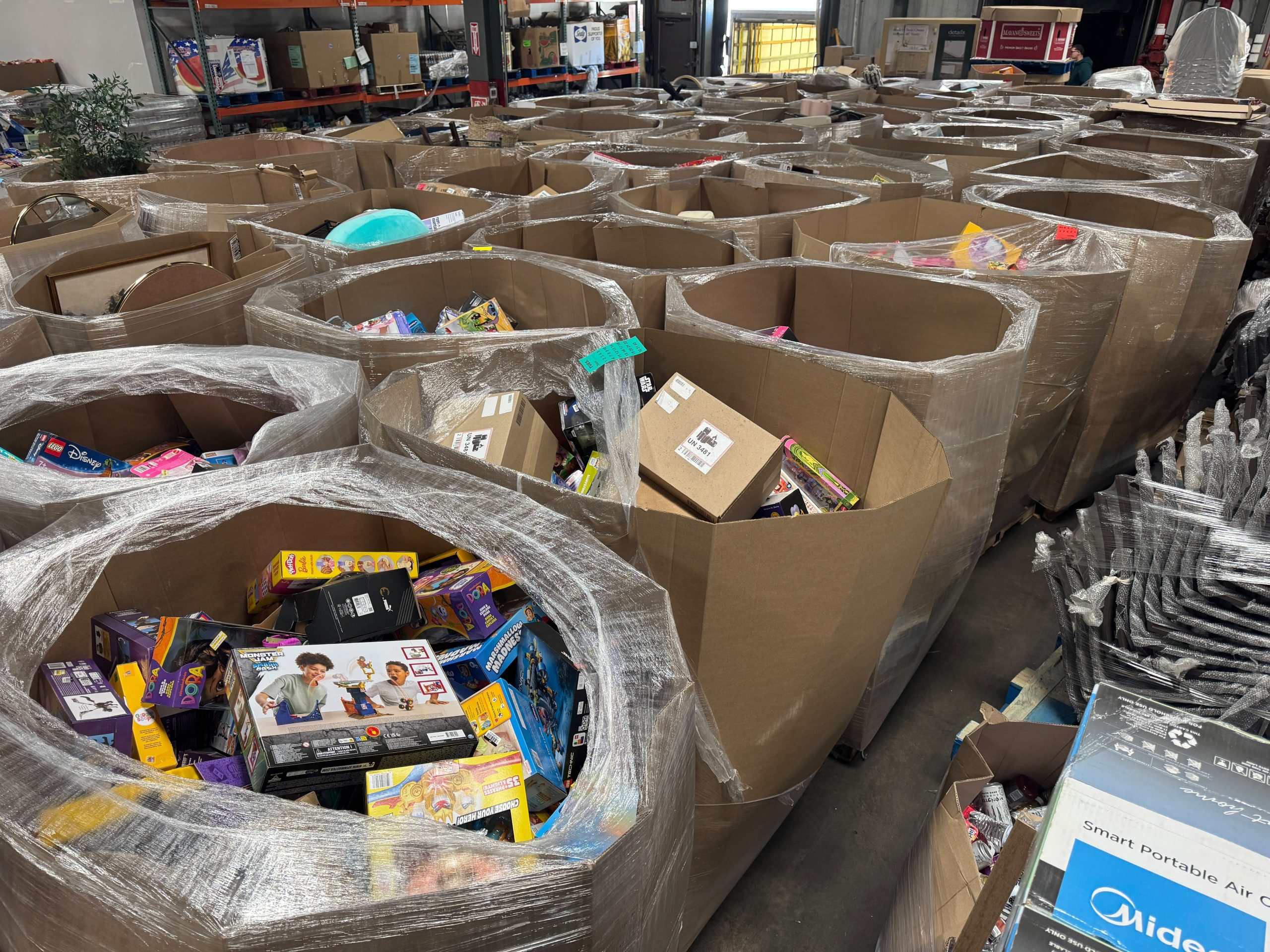
Every supplier runs into it at some point. Inventory that falls outside your primary channel.
It might be lumber that falls into a lower grade than originally intended. Or siding with colors that are so slightly off only your top salesperson would notice. Maybe it’s a discontinued SKU that no longer aligns with current demand. On paper, it becomes a “problem load.” Something that’s harder to move, difficult to price or easy to set aside and take up warehouse space.
The thing is, the material itself is still valuable. It still performs. It just no longer fits the channel it was originally intended for.
Matching Material to the Right Use
Problem loads are where we spend a lot of our time.
We see loads like these every day (actually, every hour). What makes them challenging in one context often makes them super useful in another. Our work is understanding both sides—what the material is, and where it can realistically go.
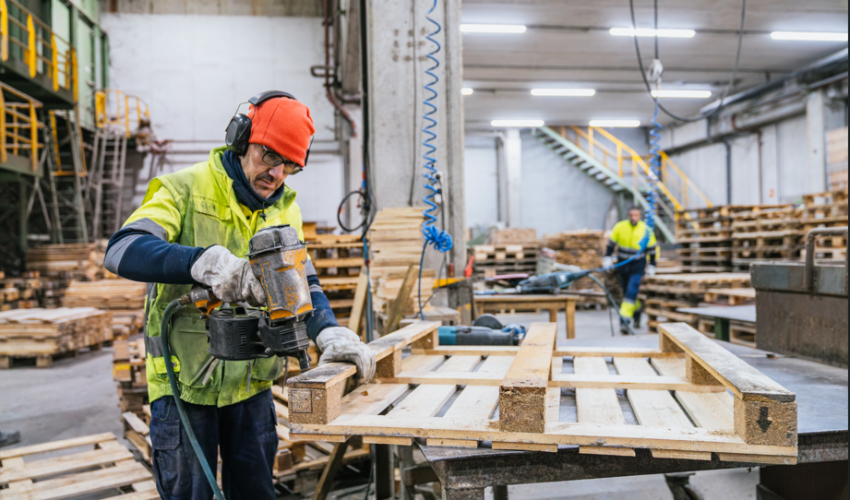
Take lower-grade or utility lumber. It may not meet the visual or structural requirements for primary framing, but it still has a clear use. Material with larger knots, splits or wane moves into pallets, crating, dunnage and general-purpose applications where strength matters more than appearance. In those settings, it performs exactly as needed and at a better price point.
Mixed-color siding is another common example. A builder working on a single development may not want variation, but a shed builder, agricultural buyer or discount yard can use that same material without issue. In fact, they often prefer it because it opens up better pricing.
Discontinued SKUs show up across categories—flooring, hardware, appliances. Once a product is no longer part of an active line, it loses visibility in traditional channels. But for the right buyer, that doesn’t matter. Multi-unit housing, smaller contractors, and value-focused retailers are often looking for exactly that kind of inventory.
What connects all of these is simple. The material isn’t the problem. The match is.
Our role is to make that match. We look at the specifics of the load—grade, variation, volume—and then connect it to buyers who know how to use it. Sometimes that’s a retail yard that can break it down and sell through it. Sometimes it’s a manufacturer hardware store owner who can take the full load and put it to work right away.
What Changes When it Moves
When that connection happens, the outcome changes quickly. What was sitting became something that moved. What looked like a write-off becomes a usable product again.
There’s also a practical upside. Suppliers clear space and avoid disposal costs. Buyers gain access to material that helps them manage cost and margin. And the material stays in use, which is where it belongs.
If you’re sitting on inventory that doesn’t fit your primary channel, it’s worth taking a second look. In most cases, there’s a path forward—it just may not be the one you started with.
Reach out today and we’ll match you with a trading expert who will create the perfect match.