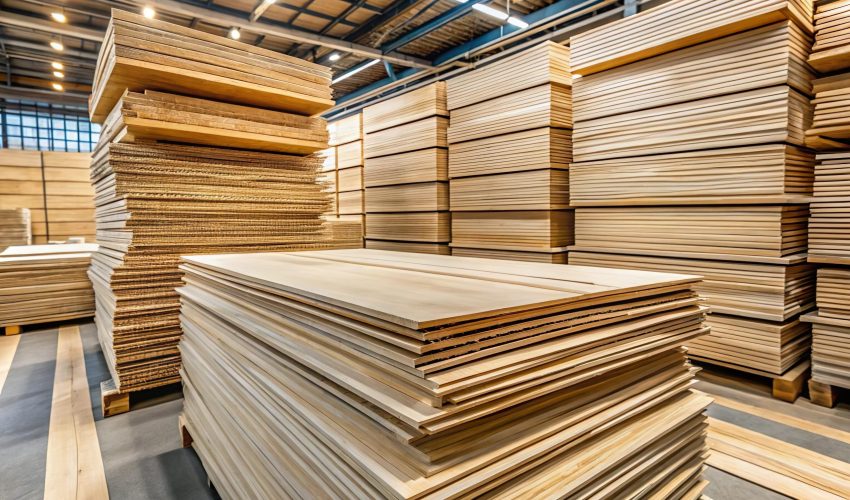
Navigating the Choices for Structural Panels
In the ever-evolving landscape of construction materials, the debate between plywood and Oriented Strand Board (OSB) for structural panels remains a topic among professionals and DIY enthusiasts alike. Both materials have their unique advantages and applications, making the choice between them an important decision for the success of any project.
Plywood: The Time-Tested Performer
Plywood, known for its strength and flexibility, has been a staple in construction for decades. Composed of multiple layers of wood veneers glued together, it offers remarkable durability and resistance to warping. Plywood’s layered structure distributes loads evenly, making it an excellent choice for applications where strength over a wide area is crucial. Its ability to withstand moisture, when properly treated, makes it suitable for use in a variety of settings, from residential flooring to commercial roofing.
OSB: The Cost-Effective Challenger
OSB has risen in popularity as a cost-effective alternative to plywood. Manufactured by compressing layers of wood strands coated with adhesive, OSB panels are known for their uniformity and strength. They perform exceptionally well in shear wall applications, providing rigidity and stability to structures. OSB’s moisture resistance has improved significantly with technological advancements, making it a viable option for many of the same applications as plywood.
Comparing the Two
When it comes to choosing between plywood and OSB, several factors come into play:
- Cost: OSB generally offers a more economical choice, often coming in at a lower price point than plywood.
- Strength and Durability: Plywood edges out in terms of strength and flexibility, making it preferable for applications requiring high-impact resistance.
- Moisture Resistance: Both materials have made strides in moisture resistance, but plywood still holds a slight advantage in environments where moisture is a constant concern.
- Environmental Considerations: OSB’s manufacturing process allows for the use of smaller, fast-growing trees, which can be seen as a more sustainable option.
Making the Right Choice The decision between plywood and OSB should be guided by the specific requirements of a project. Consider factors such as budget, environmental conditions and structural needs. For areas prone to moisture, plywood may be the safer bet, while OSB can provide a cost-effective solution for large-scale projects where uniformity and rigidity are important.
Visit our OSB Boards and Plywood Sheets pages to explore our extensive range of B Grade options. Our Cutting Program will custom-cut plywood and OSB to your specifications.
For further assistance or to talk about specific needs or real-time inventory options, don’t hesitate to contact our expert customer service team.
Choosing between plywood and OSB is more than just a matter of preference; it’s about finding the right fit for your unique demands. With our robust inventory, cutting program and great customer service, we can help you find the perfect fit.