Navigating the lumber choices for construction and design projects can be daunting, especially when trying to strike a balance between quality, cost and thoughtful resource management. Silvaris B Grade lumber — in both hardwood and softwood options — is an ideal solution that meets these diverse requirements.
What is B Grade Lumber?
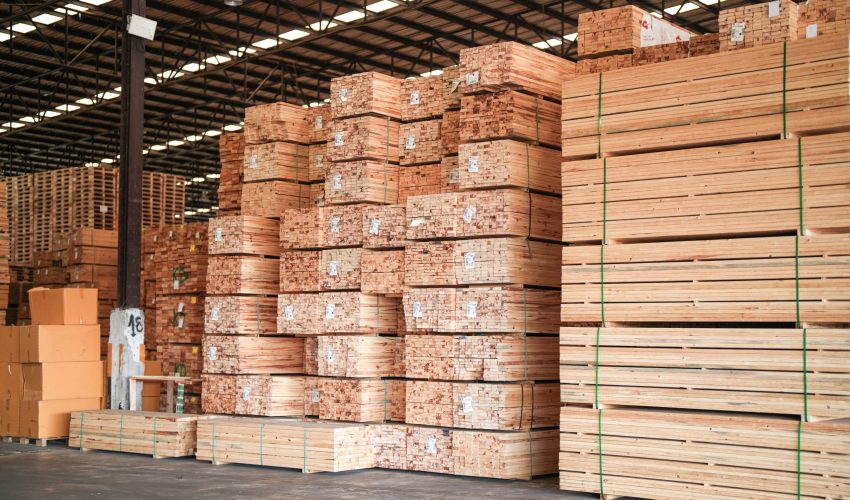
Silvaris B Grade lumber encompasses hardwood and softwood varieties that feature minor aesthetic imperfections or slight deviations in size and shape. These characteristics make B Grade lumber a more affordable option.
Advantages of Opting for B Grade Hardwood and Softwood
1. Cost Efficiency
B Grade lumber is noticeably less expensive than its perfect counterparts. This cost advantage makes it especially attractive for large-scale and budget-sensitive projects, allowing project managers and builders to allocate resources more effectively.
2. Application Versatility
B Grade lumber fits a wide range of applications, especially where the visual appearance is either less important or can be enhanced through finishes. Hardwood varieties like oak, maple and cherry can be used for interior projects such as flooring and cabinetry where a rustic look is desired. Softwoods like pine and cedar work well for outdoor DIY projects, where the wood will be painted or where knots and other visual features are valued.
3. Resource Efficiency
Choosing B Grade lumber helps optimize the use of timber resources by reducing waste. This wood, which might otherwise be discarded due to imperfections, is put to good use, aligning with practices that emphasize making the most of every resource.
Exploring the Specifics of Hardwood and Softwood B Grade Lumber
Hardwood Lumber
B Grade hardwoods such as oak and maple bring resilience to projects that benefit from the hardwood’s durability and appearance, like furniture or interior finishes. While they may have imperfections, these do not deter from their practical utility in settings where minor visual blemishes are acceptable.
Softwood Lumber
B Grade softwoods such as pine and spruce offer a softer, more workable material choice for projects like decorative frameworks or outdoor structures where the wood will be treated or finished. The faster growth rates of softwoods also make them a more readily renewable resource, enhancing the ecological value of choosing B Grade options.
Purchasing Tips
Planning is crucial when incorporating B Grade lumber into your projects. Identify parts of your project where high cosmetic standards are not a priority and consider how you can use B Grade lumber to achieve the desired outcomes. This approach will allow you to leverage the benefits of cost savings and resource efficiency without compromising the overall quality and appearance of your project.
For those in construction and design industries, Silvaris B Grade hardwood and softwood lumber offers a practical way to align project needs with budget constraints and environmental considerations. These materials provide an excellent way to enhance project aesthetics in noncritical applications and contribute to broader resource conservation efforts. Whether for decorative or secondary structural purposes, Silvaris B Grade lumber is a smart choice for your next project.