
Roofing decisions in agricultural settings tend to be practical and direct. The focus is on coverage, durability and cost, with less concern for uniform appearance. A single property may include barns, equipment sheds and smaller storage buildings, and each one often calls for a different approach rather than a one-size-fits-all solution.
Our B2B buyers are usually looking at roofing options based on how the structure is used, how exposed it is and how long it needs to last.
Shingles for smaller structures
Shingles show up most often on smaller buildings where installation is straightforward and materials are easy to handle. Storage sheds, workshops and utility buildings are typical examples. They provide reliable coverage and are familiar to most crews or DIYers, which makes repairs simple when needed.
This is also where B-grade and discontinued shingles make sense. Color variation or slight inconsistencies don’t affect performance on most agricultural structures, and customers are often willing to trade uniformity for better pricing. When you’re covering multiple small buildings, that difference adds up quickly.
Metal for long-term coverage
For larger barns and structures that need to hold up over time, metal roofing is often the preferred option. It sheds water and snow well, handles exposure and temp changes, and reduces maintenance over the long term.
It’s not always the lowest upfront cost, but for buildings protecting equipment, feed or livestock, the durability can justify the investment. That’s why you often see metal reserved for the structures that carry the most value.
Rolled roofing for speed and coverage
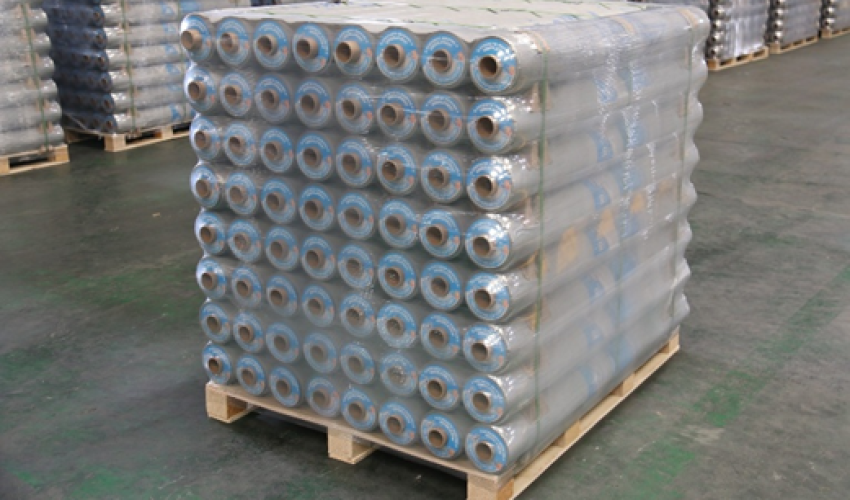
Rolled roofing fills a different need. It’s used where speed and cost matter more than lifespan, especially on lower-slope roofs or secondary structures. Equipment shelters, storage areas and temporary builds are common use cases.
It goes down quickly and provides immediate coverage, which makes it useful when you need to get a structure in place and protected without overbuilding it.
Using the right material in the right place
What stands out across agricultural properties is how clearly material is matched to use. One building may justify metal, another may be a better fit for shingles, and another may only need rolled roofing to do its job.
That’s where our closeouts and surplus inventory come into play. For many of these applications, consistency across lots and perfect appearance aren’t required. What matters is that the material performs. That opens the door to using B-grade and discontinued roofing in a way that keeps costs down while still getting reliable coverage across the property.
It’s a practical approach that shows up again and again—match the material to the job, not the other way around.
Get the right roofing for your needs
If you’re a contractor planning work on barns, sheds or storage buildings—or a retailer looking to provide options for your customers—it’s worth looking at what’s available beyond standard channels. We regularly source shingles, metal and rolled roofing across closeouts and surplus lots that can help you cover more ground without overpaying for material you don’t need.
Reach out today for a quote and we’ll connect you with one of our traders to see what’s available right now.

One Response
Good breakdown of how different roofing materials serve different agricultural needs depending on structure and usage.
The comparison between shingles, metal, and rolled roofing makes the decision process much clearer for contractors and buyers.
Practical, cost-focused guidance like this is really useful for large-scale property planning.