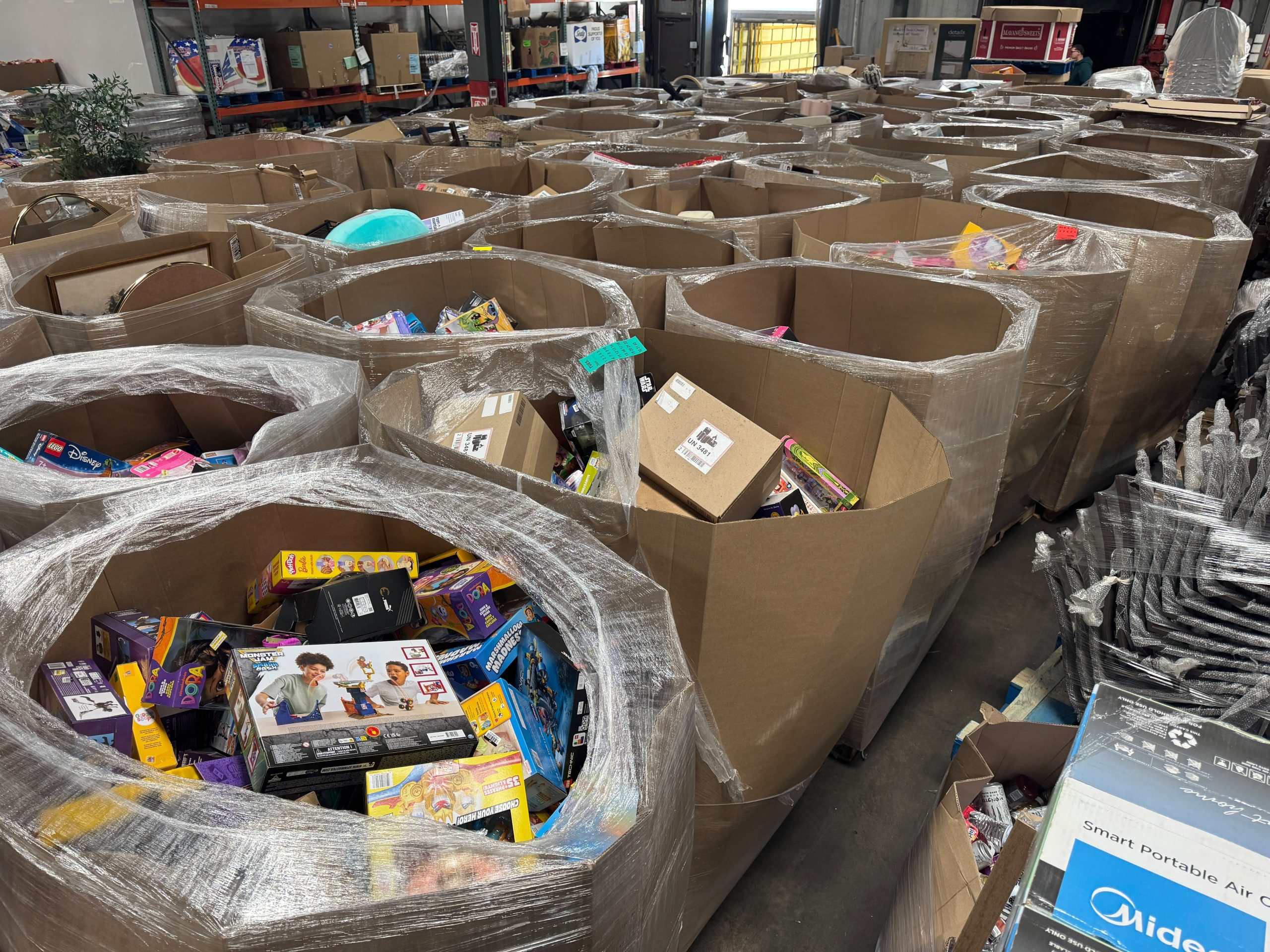
Inside most warehouses and fabrication shops, the work happens behind the scenes. Storage gets expanded. Benches get rebuilt. Walls go up, then come down a few months later. Nothing is precious. Everything is functional.
These spaces aren’t designed to impress visitors. They’re built to hold weight, take abuse and keep crews moving.
That’s why more contractors and facility managers rely on downfall lumber for this kind of work.
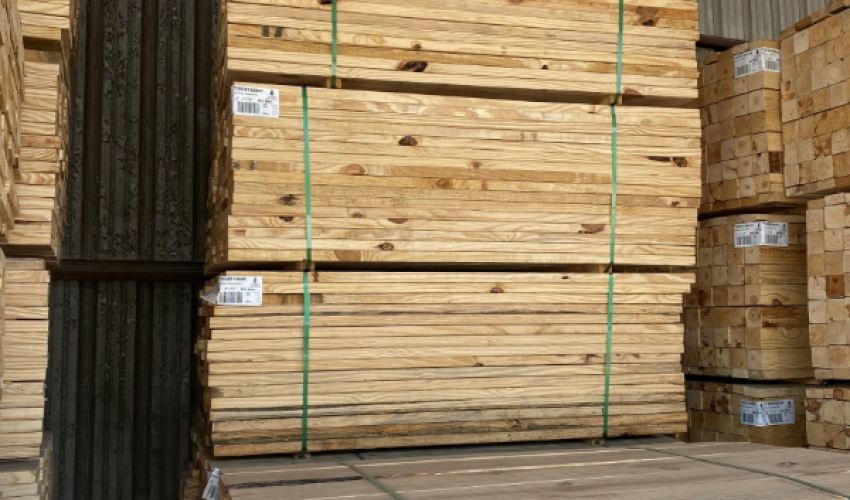
Downfall boards may have knots, wane or surface blemishes that keep them out of finish applications, but structurally they’re often perfectly sound. For utility builds, those cosmetic issues don’t matter. Strength and price do.
Because if nobody’s going to see it, there’s no reason to pay for perfect.
Racking and Storage That Can Take a Hit
Warehouses are constantly adjusting to new inventory and changing layouts. That usually means building custom racks, shelves and dividers wherever space allows.
Downfall lumber works well for these jobs because it’s tough, easy to cut and inexpensive to replace. If a forklift clips a shelf or a pallet overloads a support, you’re not worried about damaging premium material. You swap the board and keep going.
When you’re building hundreds of feet of storage at a time, that cost difference adds up fast.
Shop Fixtures Built for Daily Abuse
Tool cribs, parts bins, carts and cabinets don’t live gentle lives. They get drilled into, clamped to, dragged around and covered in dust and grease. Appearance-grade lumber doesn’t add value here. It just raises the bill.
Downfall gives crews dependable stock they can frame and assemble quickly without worrying about every mark or knot. The result is the same: solid fixtures that do the job.
Workbenches and Assembly Tables That Last
Benches take some of the hardest wear in any shop. Heavy tools, track saws, glue-ups, repeated impacts and constant use can break down lighter materials fast.
Downfall lumber makes a strong, practical base for frames, legs and supports. Pair it with plywood or OSB tops with a laminate, Masonite or steel wrap finish and you’ve got a surface that can handle real work. And if something fails, it’s inexpensive to repair or rebuild.
Interior Framing That Keeps Projects Moving
As operations grow, interior spaces change. Temporary offices, storage rooms and partitions go up quickly to support new workflows. Once those walls are covered, nobody sees what’s inside them. Using downfall for studs, blocking and bracing keeps material costs predictable and avoids tying up budget in lumber that doesn’t need to look good.
It’s a simple way to stretch dollars on larger build-outs.
Everyday Blocking, Bracing and Utility Use
Every project also needs the small stuff: spacers, nailers, cleats and temporary supports.
Having a stack of lower-cost downfall on hand means crews aren’t cutting into higher-grade lumber for basic tasks. That reduces waste and makes day-to-day building more efficient.
Match the Material to the Job
Downfall lumber lets you control costs without giving up strength, which is exactly what most shop and warehouse projects call for.
If you’re building racking, fixtures, work surfaces or interior framing and want consistent downfall lumber by the truckload, our team can help you find the right volume at the right price. Reach out for current availability or sign up for our popular Daily Deals email service to see what’s coming in each week.