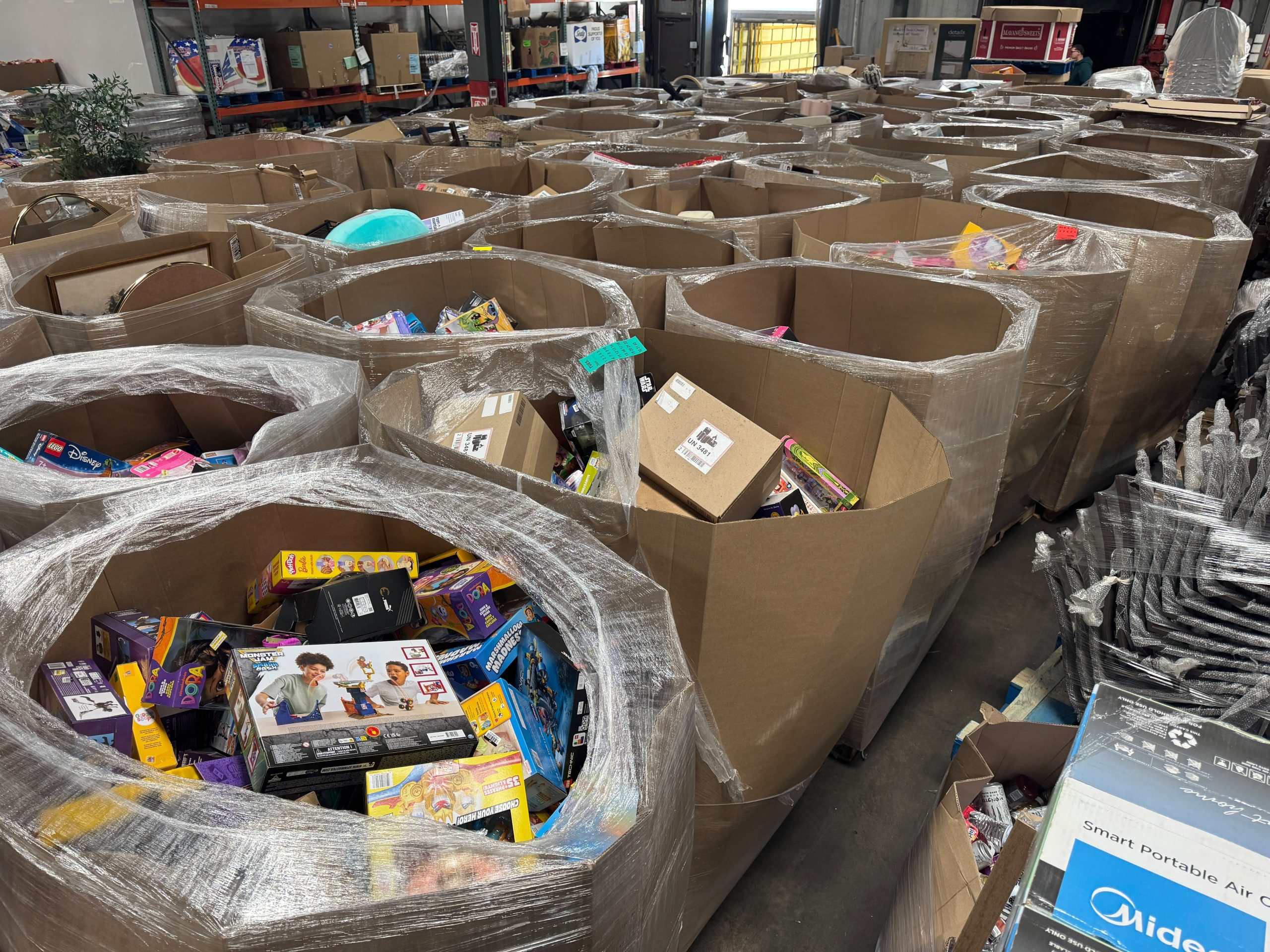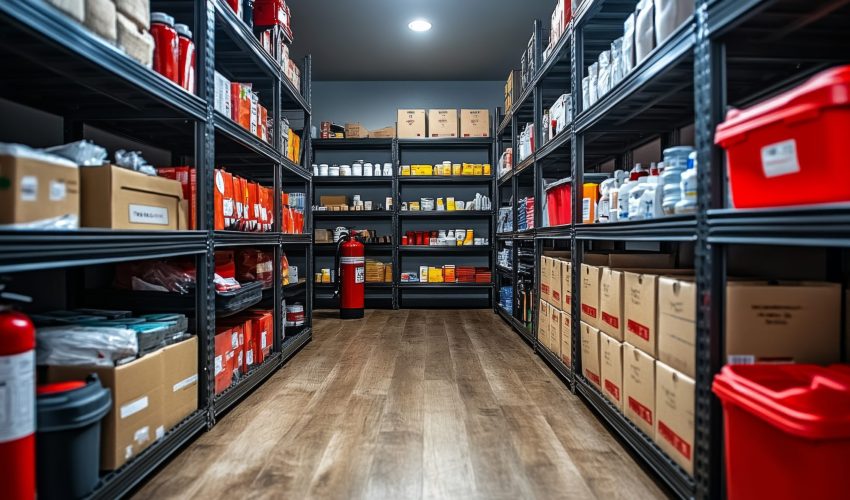
For small, independent hardware store owners, bringing in fresh inventory isn’t just about staying stocked—it’s about staying noticed. In a world of big box competition and price-sensitive shoppers, smart merchandising of liquidation and surplus inventory can turn your store into a local destination. Done right, surplus stock—seconds, returns or B-Grade materials—can drive foot traffic, increase average ticket size and boost your margins.
At Silvaris, we work with mom-and-pop stores across the country who rely on creative inventory solutions to stand out. Here are practical, proven strategies to help you move liquidation inventory quickly and profitably—without overwhelming your shelves.
1. Treat Surplus as a Feature, Not a Flaw
Don’t hide your seconds—highlight them. Build a dedicated area of the store that features “Overstock Deals” or “Factory Seconds Specials.” This gives your customers a reason to come in regularly and see what’s new. Rotate signage and stack items with visible pricing so customers feel like they’re getting a deal without digging.
One effective approach: Use clear, simple messaging. Think “Great Wood, Small Imperfections,” “Too Good to Toss,” or “Perfect for Projects.” You’re not apologizing for the stock—you’re positioning it as a smart buy.
2. Know What to Push—And When
Certain surplus items move better seasonally. Fence boards, plywood and exterior panels fly in spring and early summer when people are tackling outdoor projects. OSB and dimensional lumber move in the fall when utility sheds, repairs and weather-proofing are top of mind.
Time your orders with local demand in mind, and let your customers know when you’ve got a new truckload in. When you work with us, our traders can help you align inventory selection with seasonal sales patterns in your region.
3. Cross-Merchandise to Maximize Space
When floor space is limited, the key is to get creative. Turn a stack of B-Grade fence boards into a weekend DIY display: pair it with a printed handout for a basic planter box, throw in a sale on galvanized nails, and you’ve created a reason for impulse buys.
Likewise, promote your surplus panels as the base for workbenches, garage shelving or chicken coops. The more you can show customers how to use the material, the faster it’ll move.
4. Price with Strategy, Not Just Margin
Surplus inventory gives you flexibility—so think of it as a tool to move other items. Bundle deals work well: “Buy 10 fence boards, get a box of screws for $2.” Or offer a weekly “contractor special” that rotates. These micro-promotions don’t require big marketing budgets, just a sandwich board out front or a quick post on your store’s social media page.
Also consider tiered pricing by volume. Offer discounts for larger purchases to clear space while keeping the single-item price high enough for smaller-ticket buyers.
5. Tell Your Story
Customers like knowing where a deal comes from. Let them know your store works with suppliers like Silvaris to rescue good materials from going to waste. Whether you include this message on a chalkboard, a product tag, or in a conversation with a regular, it builds trust and keeps people coming back to see what you’ve found next.
Smart use of surplus inventory can do more than pad margins—it can create buzz, foot traffic and customer loyalty. At Silvaris, we help small retailers get access to high-quality liquidation materials in truckload volumes, with support to help you move them fast. If you’re ready to turn “seconds” into a first-rate in-store strategy, let’s talk.