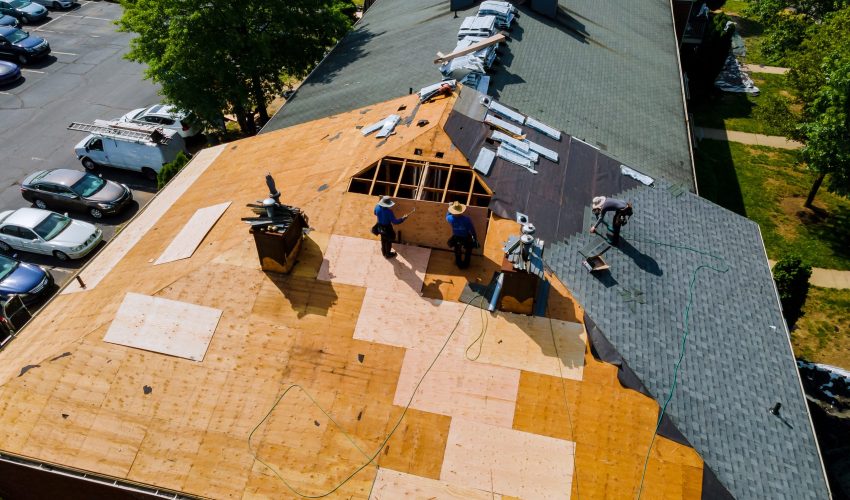
It’s well-understood that a properly installed roof is crucial to the integrity of any structure. It’s not just about using the right materials; it’s about understanding them and knowing the tricks of the trade for a flawless installation. Here at Silvaris, we pride ourselves on offering top-quality B Grade roofing materials, and we’re here to share some expert tips to ensure your next roofing project is a long-lasting success.
Understanding B Grade Shingles
Before diving into installation tips, let’s talk about B Grade shingles—a popular choice among professionals for many reasons. B Grade shingles are often misconceived as lower quality, but in reality, they are simply shingles that didn’t meet a manufacturer’s aesthetic standards. This could be due to color variations, slight size differences or other minor imperfections that don’t affect their performance.
Choosing B Grade shingles from Silvaris means you’re getting a high-quality product at a more affordable price. It’s a smart choice for budget-conscious projects without compromising on durability or functionality.
1. Know Your Materials
Every roofing project starts with the right materials. Along with choosing quality shingles, like our B Grade options, you’ll need to ensure you have the proper underlayment, flashing, nails and ventilation systems. Each of these components plays a vital role in the longevity and effectiveness of your roof.
2. Proper Planning and Measurement
Measure twice, install once. Proper planning and accurate measurement are key to avoiding waste and ensuring a smooth installation. Calculate the roof area accurately and add a waste factor to ensure you have enough material. Consider the unique aspects of the roof structure, like valleys, hips and ridges, as these areas require additional materials and attention.
3. Underlayment Is Essential
Don’t underestimate the importance of a good underlayment. It’s your roof’s last line of defense against moisture and a critical component for overall roof health. Make sure the underlayment is laid flat and properly secured. This step is crucial because it ensures an additional protective layer against the elements.
4. Optimal Shingle Alignment
Aligning your shingles correctly is crucial for both aesthetic appeal and weather resistance. Start with a starter strip at the bottom of the roof edge. This helps in creating a clean look and ensures the shingles are properly aligned from the get-go. When using B Grade shingles, pay extra attention to alignment, as minor variations can occur.
5. Nailing Technique Matters
The durability of your roof installation heavily relies on your nailing technique. Use the right type of nails and ensure they are driven straight and flush with the shingle surface—not too deep, as this can cause the shingles to tear or crack. Follow the manufacturer’s guidelines on the number of nails per shingle and their placement.
6. Pay Attention to Flashing
Flashing is key to preventing leaks around chimneys, vents and where the roof meets a vertical surface. Inspect existing flashing and if necessary, replace it. Correctly installed and sealed flashing is a small detail that makes a significant difference in the longevity of your roof.
7. Ventilation Is Vital
Proper roof ventilation is essential to prevent moisture buildup and heat accumulation in your attic. This can prolong the life of your shingles (and reduce energy costs). Make sure your roof has adequate ventilation according to local building codes and manufacturer recommendations.
8. Managing the Ridge and Hip Shingles
The ridge and hips of the roof are high-stress areas. Use specially designed ridge and hip shingles for better performance and longevity. They are thicker and more robust, providing the necessary protection and visual appeal.
9. Dealing with Waste Material
A clean worksite is a safe and efficient one. Regularly dispose of waste material and excess shingles. This not only keeps the worksite safe but also lets you better assess your progress and the quality of your work.
10. Final Inspection and Clean-up
Once the installation is complete, take the time to conduct a thorough inspection. Look for any misaligned, loose or damaged shingles and ensure all flashing and venting is properly installed and sealed. Cleaning up the site not only involves removing waste but also checking for any stray nails or debris that could pose a hazard.
Closing Thoughts
A flawless roof installation is a combination of quality materials, meticulous planning, patience and attention to detail. At Silvaris, we understand the importance of each step in this process. Our B Grade shingles offer an excellent balance between quality and value, making them a smart choice for your roofing projects.
Remember, a well-installed roof is more than just a protective cover; it’s a long-term investment in the structure’s integrity and aesthetic appeal. Keep these tips in mind for your next project, and you’re sure to see outstanding results that stand the test of time.
Explore our B Grade roofing options and see how our selection of shingles, roofing felt and more can save money while creating long-lasting results.